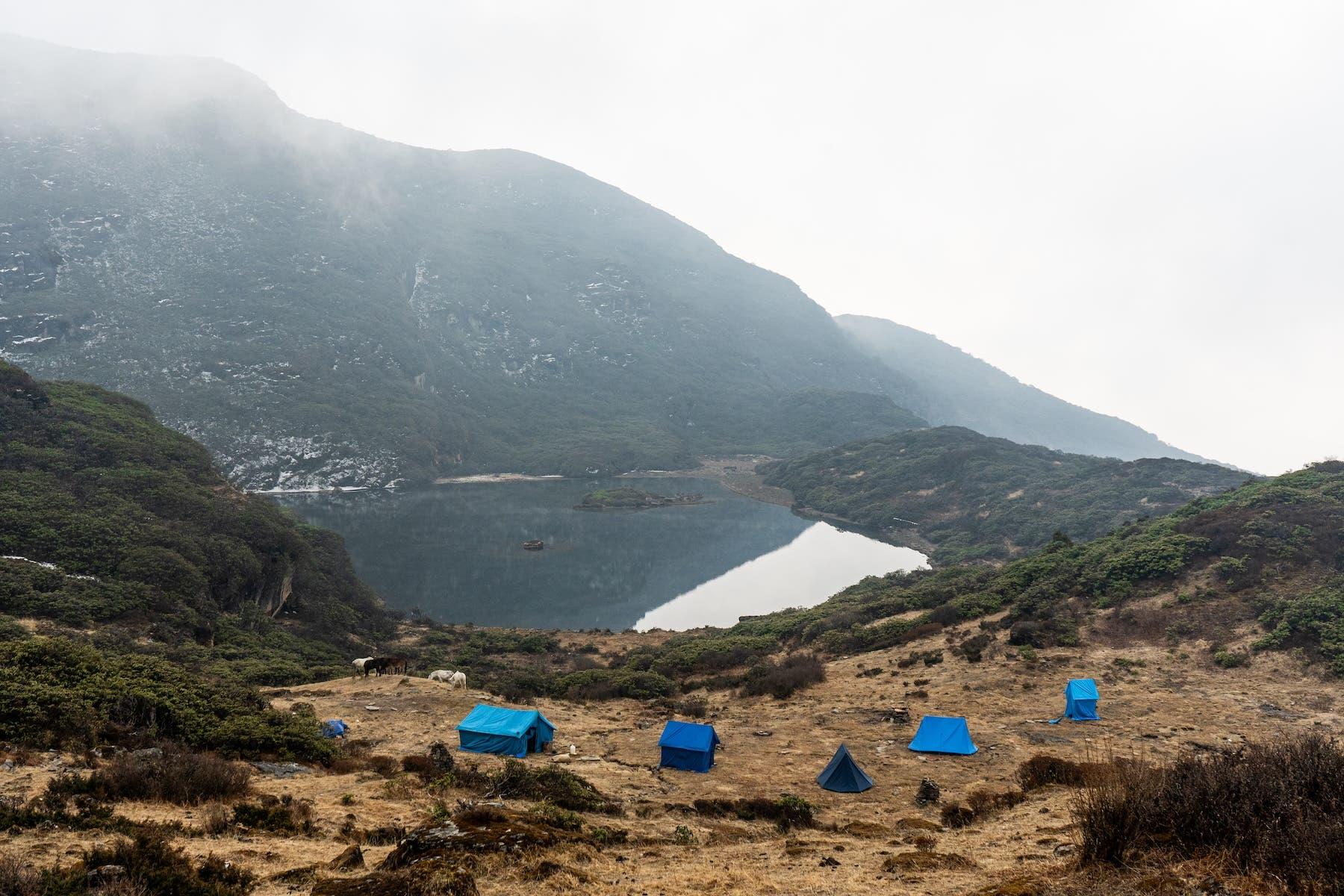
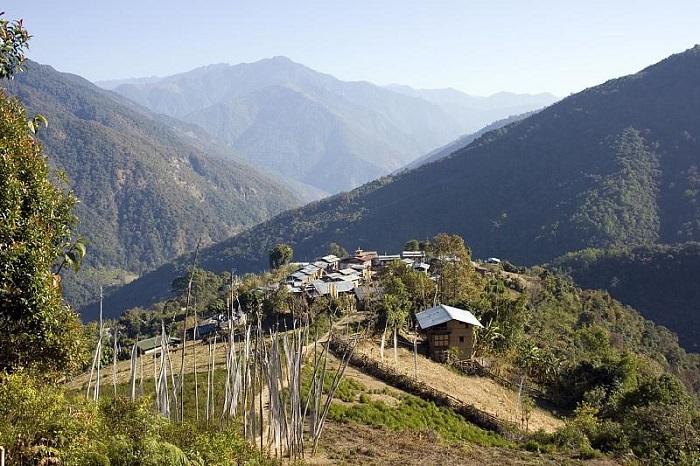
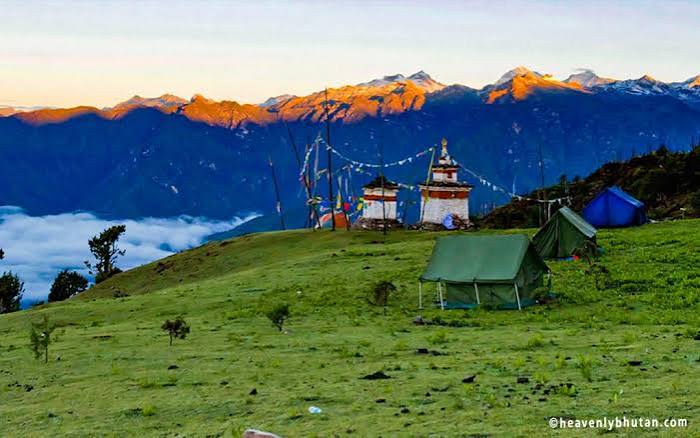
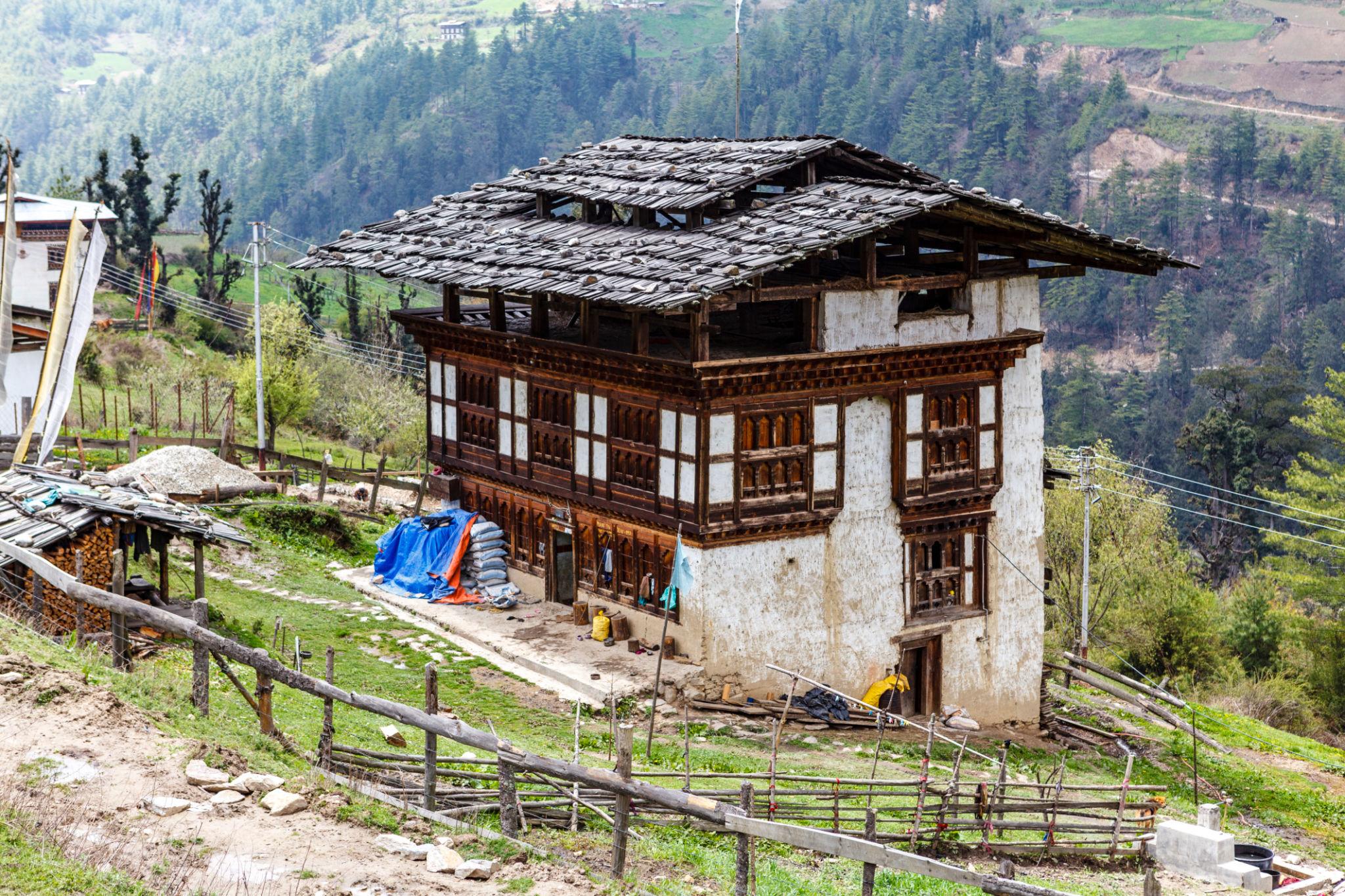
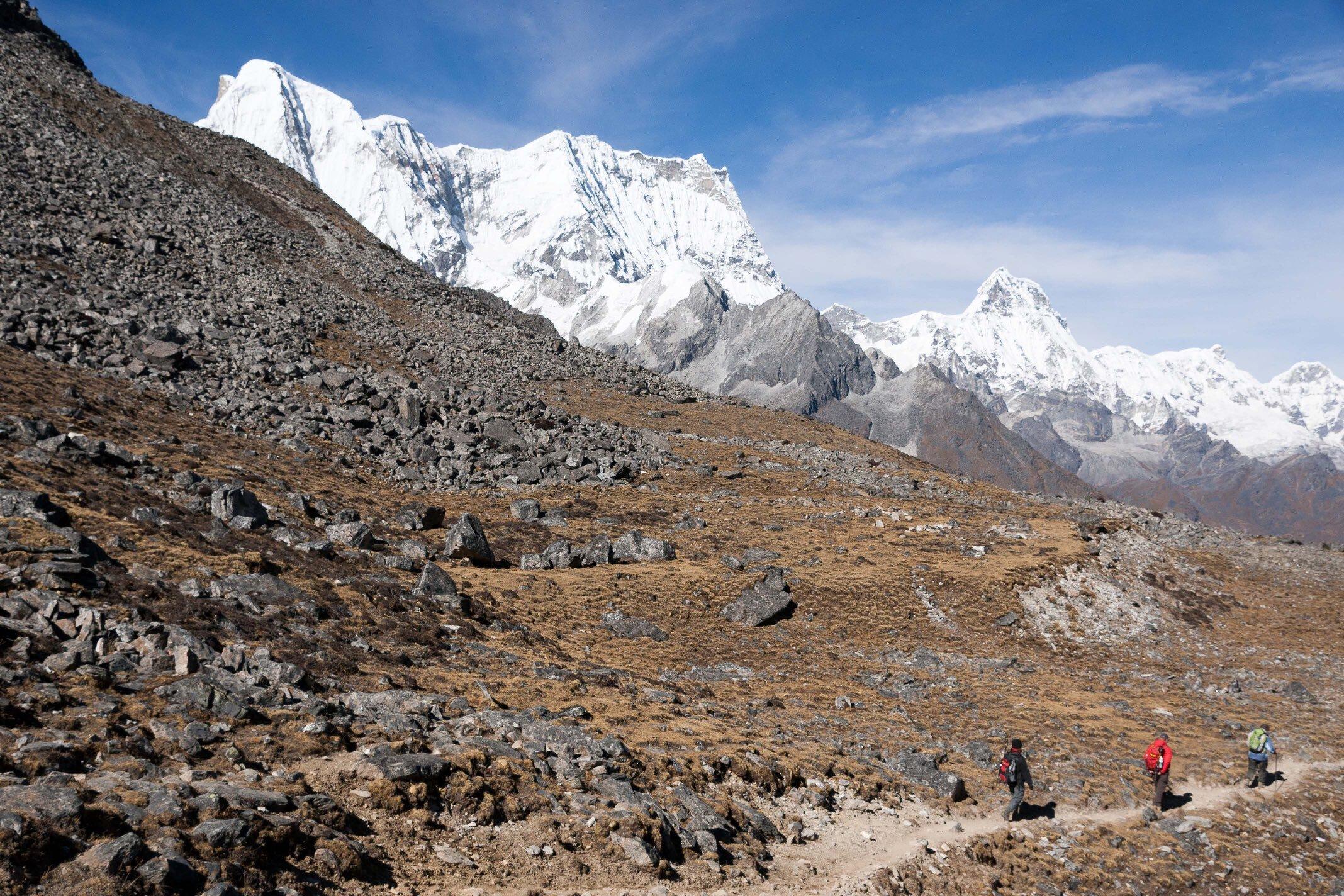
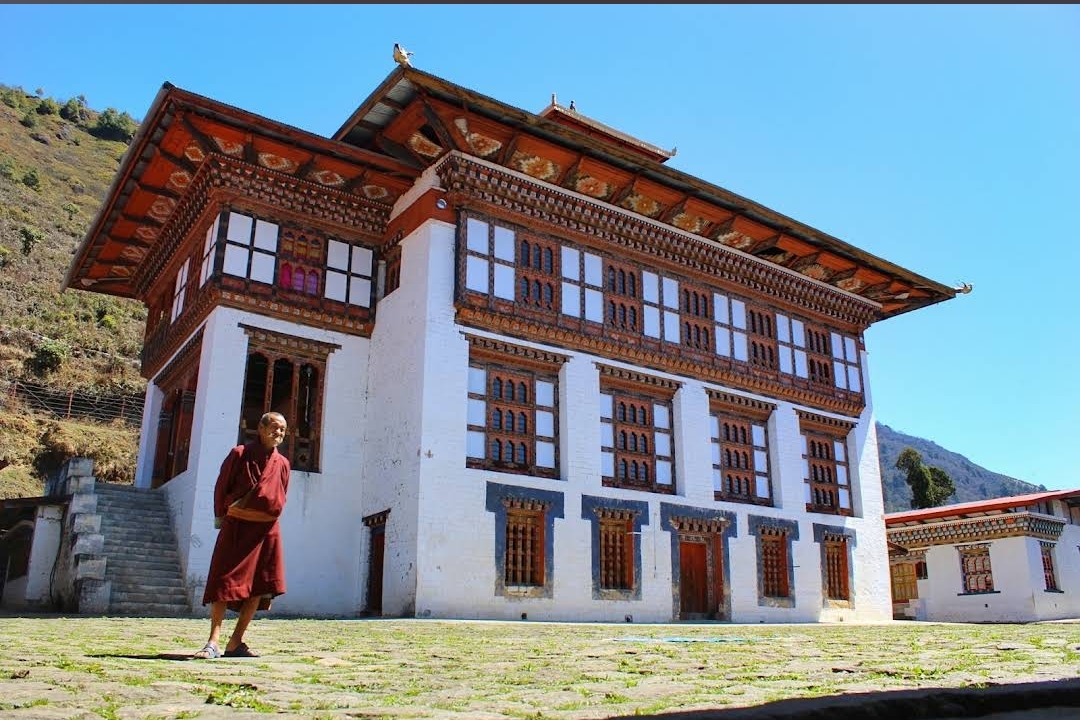
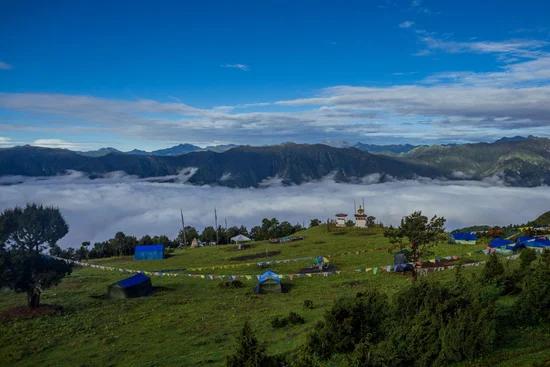
The Nabji Korphu Trek is a rewarding cultural trek through the pristine forests and traditional villages of central Bhutan. Set within the Jigme Singye Wangchuck National Park, the trail offers a unique blend of nature, wildlife, and authentic village life. Trek through lush forests, cross suspension bridges, visit sacred temples, and experience the warm hospitality of the indigenous Monpa community. With its moderate difficulty and relatively low altitude, this trek is perfect for travellers seeking an off-the-beaten-path adventure and an immersive cultural experience in Bhutan.
1500 m
9 km
6 hours Average
Breakfast, Lunch & Dinner
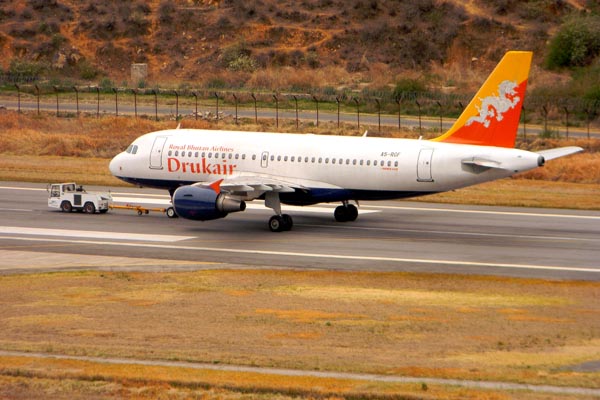
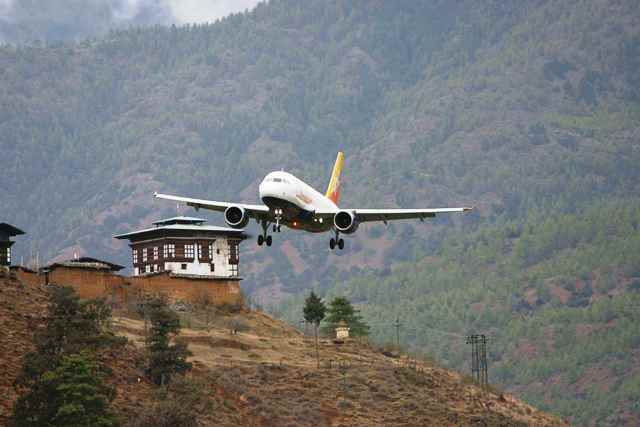
Flights to Bhutan operate from Bangkok, Singapore, Kathmandu, and Delhi to Paro International Airport. If flying from Bangkok, it is advisable to reach Suvarnabhumi Airport at least three hours before departure, as the airport is approximately 45 minutes from the city centre. During check-in, ensure that you carry a printed copy of your Bhutan visa for boarding formalities. The flight to Bhutan takes around 3.5 hours and offers spectacular aerial views of the Himalayan range as you approach Paro. Upon arrival at Paro Airport, you will be warmly welcomed by your guide and transferred to your hotel. Enjoy your first evening in the Kingdom of Bhutan.
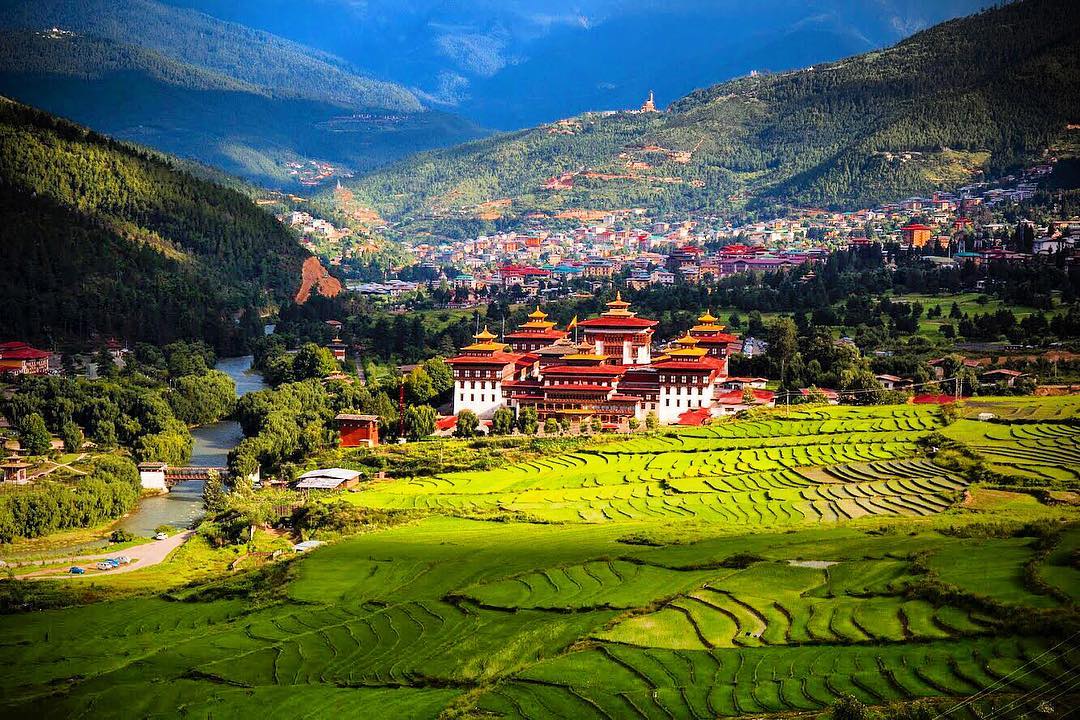
After breakfast, drive to Thimphu, the capital and largest city of Bhutan, home to more than 100,000 residents. Begin your sightseeing with a visit to the Institute for Zorig Chusum (13 Arts and Crafts), where students preserve and practise Bhutan’s traditional artistic heritage. Continue to the Folk Heritage Museum, a beautifully preserved 150-year-old three-storey mud house that offers insight into traditional Bhutanese rural life through its water mill, kitchen garden, and household exhibits. In the afternoon, visit the General Post Office and create your own personalised Bhutanese stamp as a memorable souvenir. Dinner and overnight stay at your hotel in Thimphu.
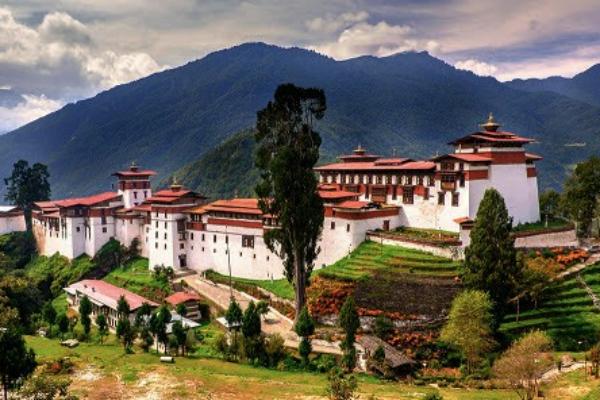
Today’s journey takes you from Thimphu to the historic district of Trongsa. En route, stop at the breathtaking Dochula Pass (3,100m/10,500ft), one of Bhutan’s most scenic mountain passes offering panoramic views of the snow-capped Himalayas on clear days. Continue your drive through central Bhutan while enjoying views of Wangdue Phodrang Dzong perched dramatically above the valley. Upon reaching Trongsa, visit the magnificent Trongsa Dzong, built in 1648, which once controlled the important east-west trade route of Bhutan. Historically, every King of Bhutan served as the Trongsa Penlop before ascending the throne. You will also visit Ta Dzong, the ancient watchtower overlooking the valley. Overnight stay in Trongsa.
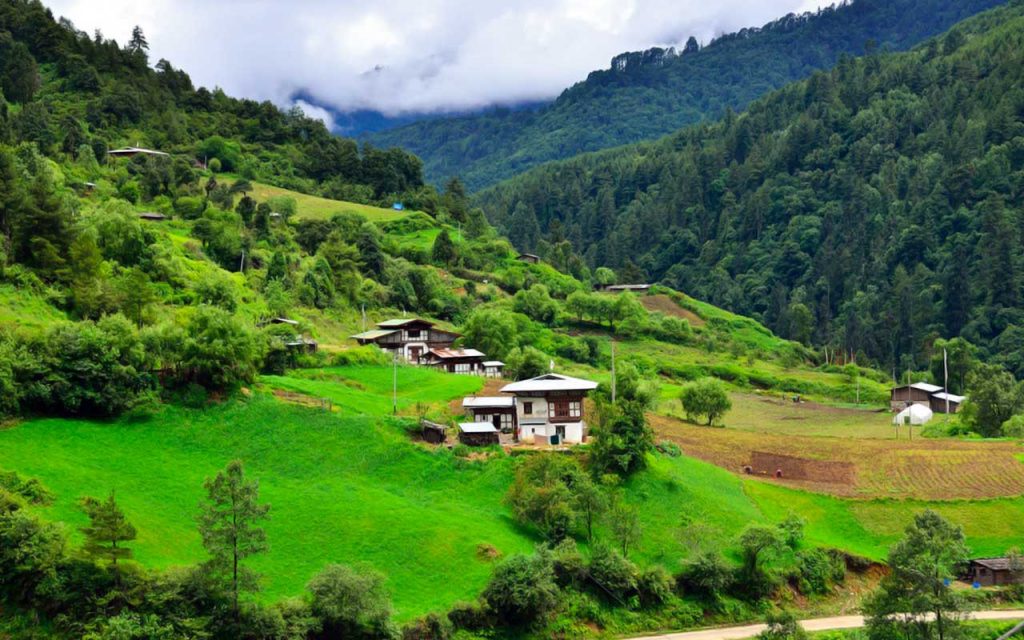
Your trek begins from Tongtongphey as you descend towards the Mangde Chhu River and cross a suspension bridge before gradually climbing towards Jangbi village. This section introduces you to the Monpa community, believed to be among Bhutan’s earliest inhabitants. Their unique traditions, culture, and legends provide a fascinating glimpse into Bhutan’s ancient heritage. The campsite at Jangbi sits above the valley floor and offers beautiful views of the Mangde Valley.
After breakfast, visit the Orchid Garden, home to a variety of native orchid species. Continue trekking towards Kudra through forests and sacred sites associated with Guru Rinpoche. Along the trail you will encounter stone imprints believed to represent Guru Rinpoche’s footprints, dagger, and phallus, each accompanied by local legends. Lunch is served near Ugyendra below the cliffs of Phrumzur village, one of the settlements of the Monpa community. Before reaching camp, you may visit the village temple and interact with the local residents. Overnight at Kudra campsite.
Today’s trail passes through dense forests, streams, waterfalls, and pristine wilderness. Keep an eye out for rare wildlife including the Rufous-necked Hornbill, Himalayan Giant Squirrel, and Rhesus Macaque. The surrounding forests are also home to elusive species such as red pandas, Himalayan black bears, clouded leopards, and even tigers. Upon reaching Nabji village, you will receive a warm traditional welcome. Surrounded by lush paddy fields and scenic landscapes, Nabji is one of the most beautiful villages along the trek.
Before leaving Nabji, visit the sacred Nabji Temple located amidst the rice fields. The temple houses a legendary stone pillar where Guru Rinpoche is believed to have reconciled two warring kings by imprinting their thumb marks onto the stone. Continue climbing towards Korphu village, situated on a mountain ridge at approximately 1,500 metres. The hospitality of the villagers is renowned, and visitors are often welcomed like honoured guests. You may also visit the village temple, which houses sacred relics associated with the great treasure revealer Pema Lingpa. Overnight at the campsite overlooking the valley below.
Today’s walk is considered one of the finest birdwatching sections of the trek, with over 395 bird species recorded in the region. The elusive Rufous-necked Hornbill is frequently seen nesting near the trail. The route passes through forests, waterfalls, streams, and traditional cantilever bridges before reaching Nyimshong village. The village is known for its preserved architecture and rich cultural traditions. In the evening, you may choose to enjoy a cultural performance featuring local songs and dances.
Your final trekking day begins with a descent towards the Mangde Chhu River. If fortunate, you may spot the endangered Golden Langur along the way. Birdlife near the river includes herons and river lapwings. After a final steep climb to the road head at Reotala, meet your vehicle and drive back to Trongsa for an overnight stay at the hotel.
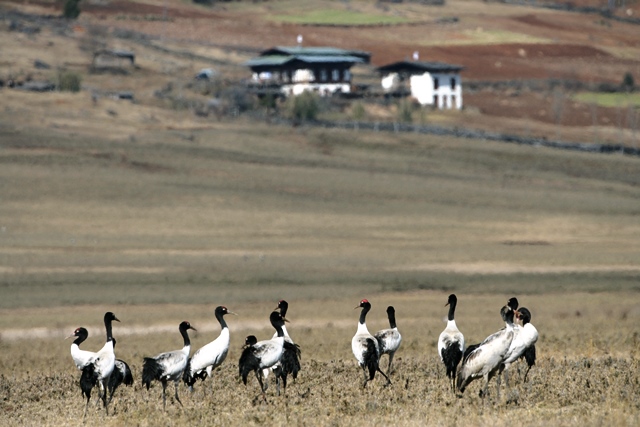
After breakfast, drive towards Gangtey and the beautiful Phobjikha Valley, Bhutan’s first designated eco-tourism destination. Located within the Black Mountains, the valley is internationally known as the winter habitat of the endangered Black-necked Cranes that migrate annually from the Tibetan Plateau. Besides the cranes, the valley is home to a rich variety of wildlife including Himalayan black bears, barking deer, red foxes, and numerous bird species. Visit Gangtey Monastery, the Nature Education Centre, and enjoy the stunning landscapes that make Phobjikha one of Bhutan’s most picturesque valleys. Overnight in Punakha.
This morning, visit the magnificent Punakha Dzong, built in 1637 by Zhabdrung Ngawang Namgyal. Situated at the confluence of the Pho Chhu and Mo Chhu rivers, it remains one of the most beautiful and historically important fortresses in Bhutan. Punakha served as the winter capital of Bhutan for centuries and continues to be the winter residence of the Chief Abbot and the central monastic body. After sightseeing, drive back to Paro for your final overnight stay in Bhutan.
After breakfast, transfer to Paro International Airport for your onward flight to Kathmandu, Bangkok, Delhi, or Singapore. As you depart the Kingdom of Bhutan, take with you unforgettable memories of the Himalayas, ancient traditions, and the remarkable experience of the Nabji Korphu Trek.
Tashi Delek!
The Nabji Korphu Trek is considered an easy to moderate trek. It involves 2–6 hours of walking each day on well-established forest trails, making it suitable for beginners and moderately fit trekkers.
The trek reaches a maximum altitude of approximately 1,500 metres (4,921 feet) at Korphu Village, so there is very little risk of altitude sickness compared to Bhutan’s high-altitude treks.
The best seasons are March to May and September to November, when the weather is pleasant, the forests are lush, and wildlife and birdwatching opportunities are at their best.
This trek is famous for its rich cultural heritage, traditional Monpa villages, abundant wildlife, and scenic forests within Jigme Singye Wangchuck National Park. It offers an authentic Bhutanese village experience away from the usual tourist routes.
Trekkers may spot Golden Langurs, Rufous-necked Hornbills, Himalayan Giant Squirrels, Rhesus Macaques, and a wide variety of birds. The park is also home to red pandas, Himalayan black bears, and clouded leopards, although sightings of these animals are rare.
Days
Persons
1 Guides
Days
Persons
1 Guides
Days
Persons
1 Guides
Automated page speed optimizations for fast site performance